Power your electric vehicle with fast, safe, and reliable EV charging solutions for homes, businesses, and commercial facilities.
PM Surya Ghar: Muft Bijli Yojana
Home & Business Solutions EV Charging Solutions Tailored To Your Needs
Whether you're charging a single vehicle at home or managing an entire fleet, we provide customised charging infrastructure built for performance and convenience.
PM Surya Ghar: Muft Bijli Yojana
Future Ready Mobility The Future Of Transportation Starts Here
Make the transition to electric mobility with advanced EV charging stations, professional installation, and dependable support from Aquarian Solar.
We provide a wide range of EV charging solutions in Uttarakhand, including electric car chargers for home and public use. Our EV chargers are designed to be safe, reliable, and efficient, ensuring that you can charge your electric vehicle with ease.
As one of the leading EV charger companies in India, we offer a variety of EV chargers in India, including fast chargers that can quickly power your e-motors. Our electric vehicle fast charger for batteries is compatible with all major EV brands, and we are committed to promoting sustainable transportation and reducing carbon emissions.
Whether you’re a business owner looking to install electric car chargers at your premises or a homeowner interested in purchasing an electric car charger for home use, Servotech has got you covered. As one of the top electric charging station companies in India, we provide high-quality solutions that are built to last. Contact us today to learn more about our EV charger in India and how we can help you make the switch to electric.
Why EV Charging at your Location?
Appreciate Property Value
Invite a Greener - Tomorrow
Augment Brand Value
Fulfil Sustainability Commitments
Government Standards Compliant
Dissect the Competition
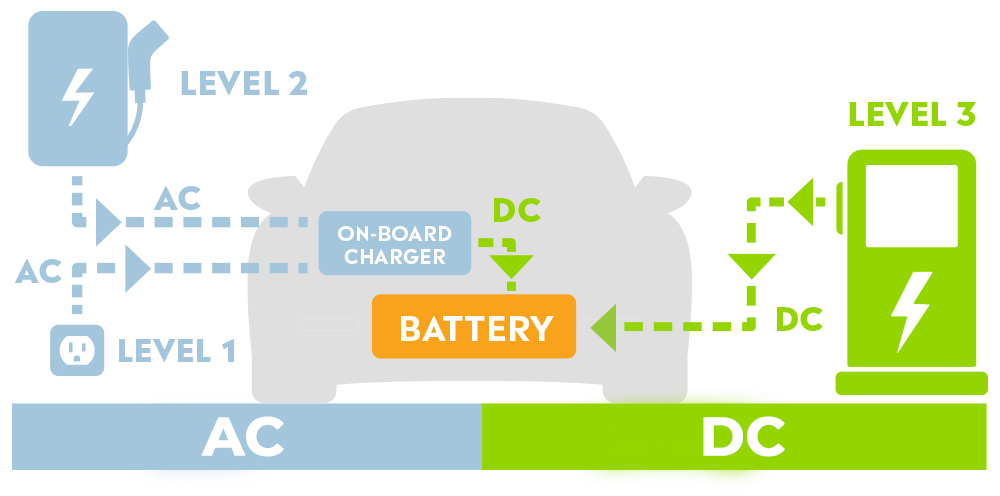
AC Charging
All electric vehicles include inbuilt chargers that can convert current before supplying it to the battery. Because they are less expensive to make, install, and run, AC chargers are more ubiquitous in the EV ecosystem.
DC Charging
The converter for a DC charger is included inside the charger itself. That means it can supply power straight to the vehicle’s battery, bypassing the onboard charger. When it comes to EVs, DC chargers are bigger, faster, and an amazing development.
3.3 Kw, 7.4 Kw, 10 Kw, 11 Kw, 14 Kw, 22 Kw
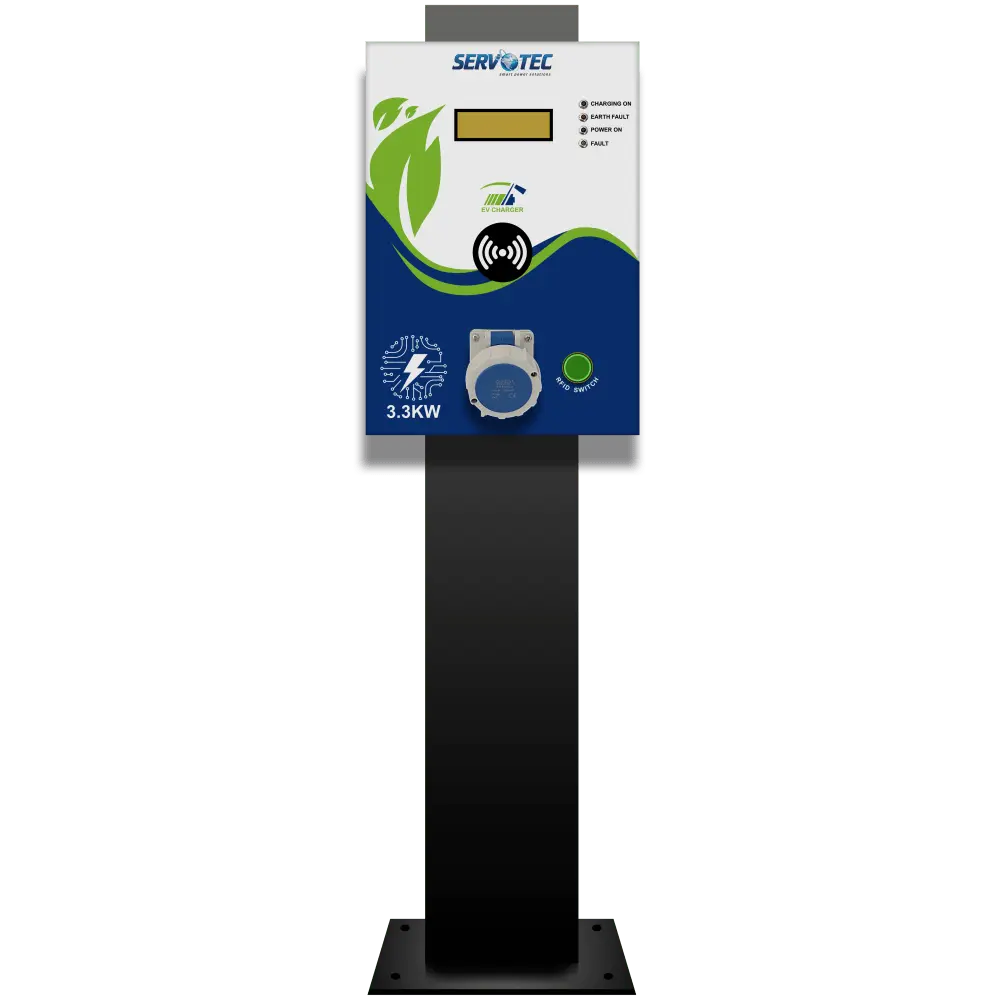
3.3 kw
Suitable for 2/3 wheelers Output current: 16 A Output Voltage: 230 V Phase: Single
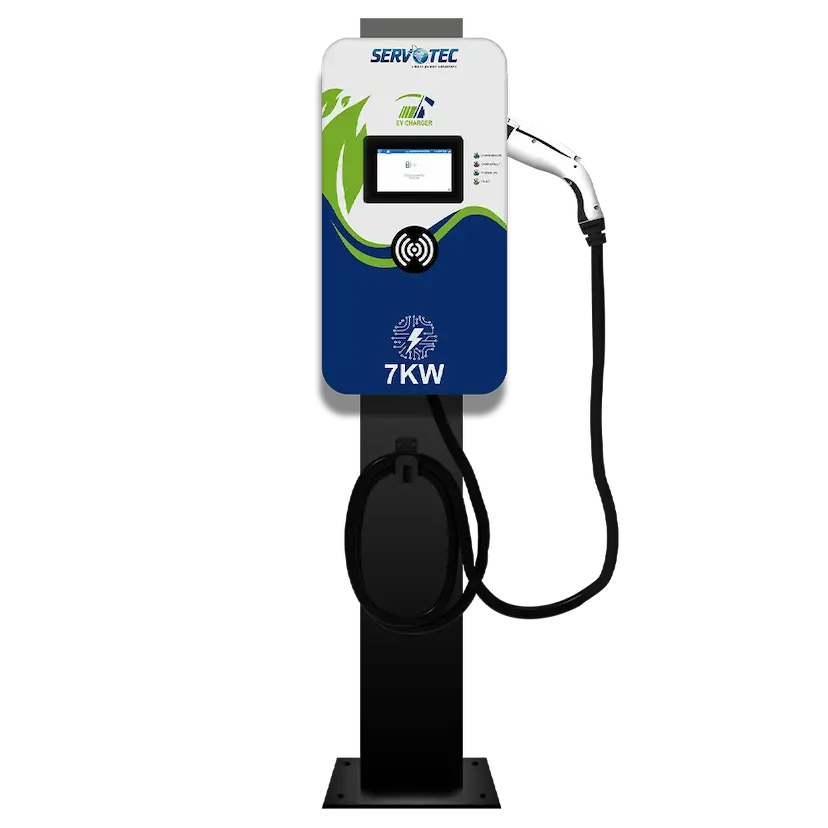
7kw
Suitable for 4 wheelers Output current : 32 A Output Voltage: 230 V Phase: Single
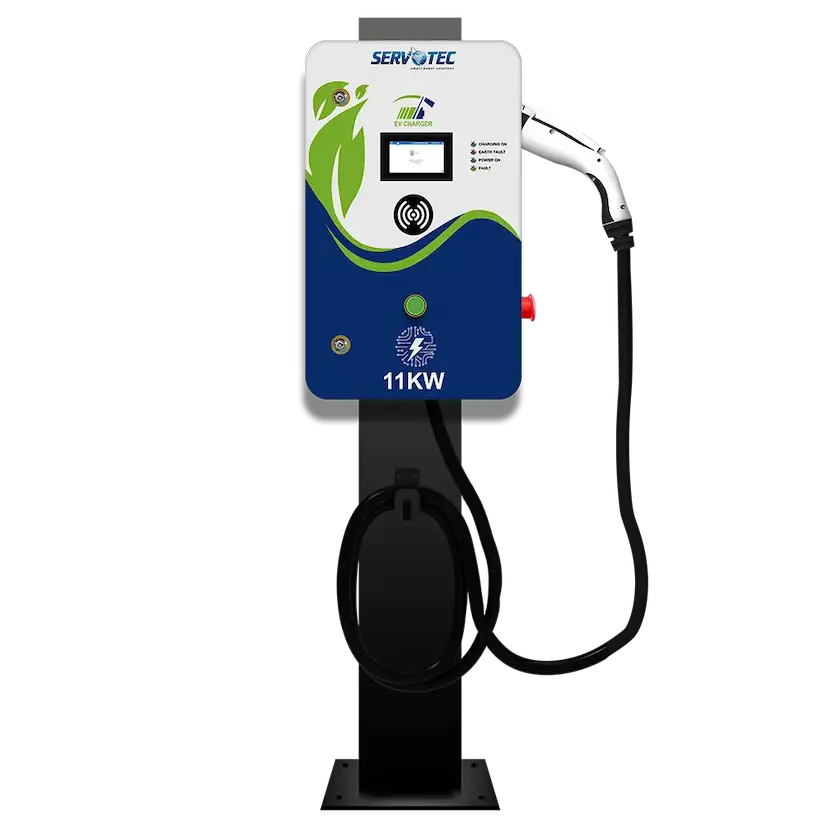
11kw
Suitable for 4 wheelers Output current: 16 A/phase Output Voltage : 415 V Phase: Three
30 Kw, 60 Kw, 120 Kw, 240 Kw, 360 Kw
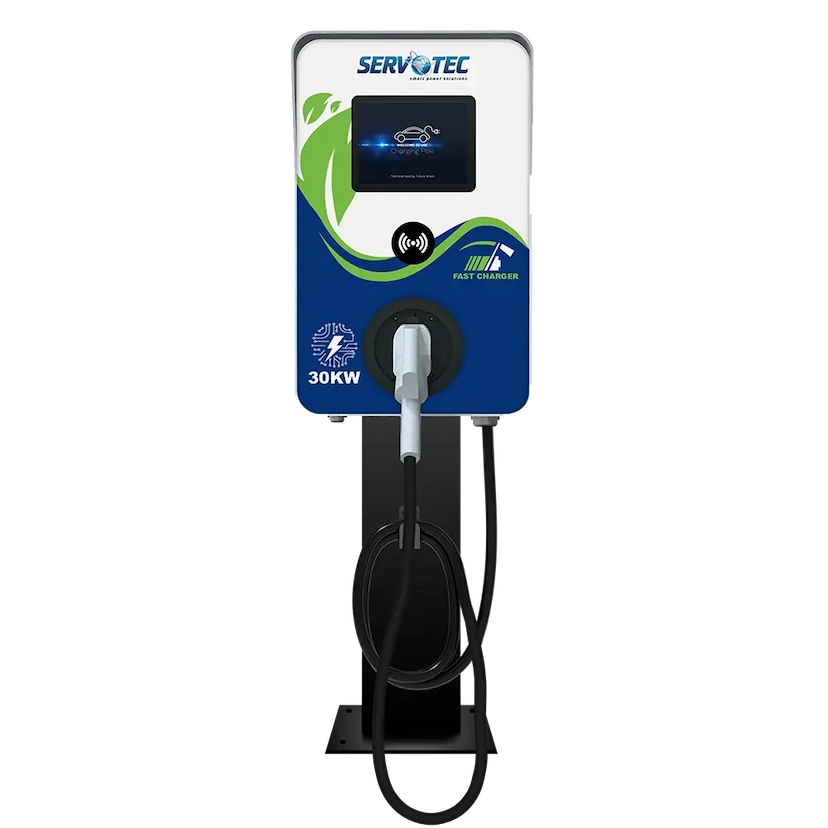
30 Kw
Suitable for 4 wheelers Output current : 100 A Output Voltage : 200-750 V Phase : Three
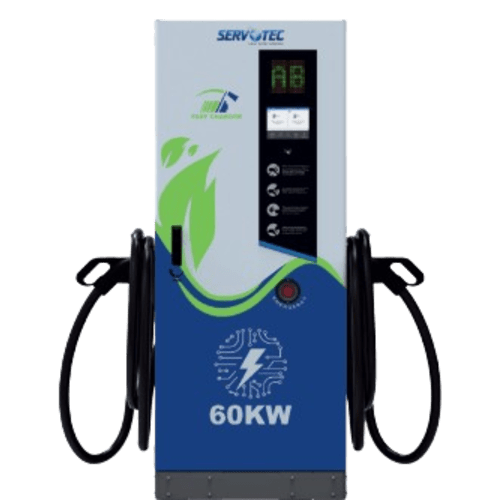
60 Kw
Suitable for 4 wheelers Output current : 200 A Output voltage : 200-750 V Phase : Three
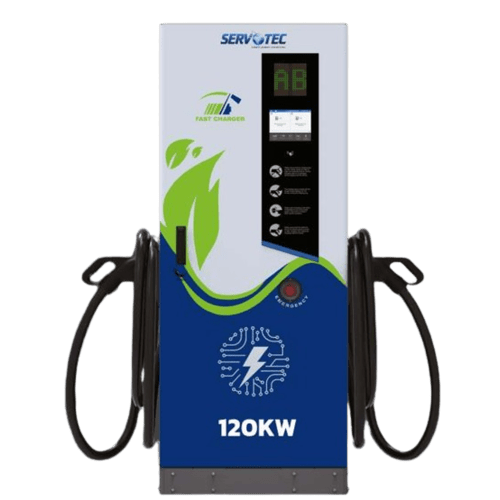
120 Kw
Suitable for 4 wheelers Output current : 200 A Output voltage : 200-1000 V Phase : Three
EV Charging Table
Popular EVs in India
Battery Capacity
Onboard AC Charger Limit
Home Charging
AC Charger
DC Charger
16 Amp Socket
7 Kw
11 Kw
22 Kw
30 Kw
60 Kw
Tata Tiago EV Tata Nexon EV Max
35 – 40 kWh
7 Kw
17 hrs
5 – 6 hrs
5 – 6 hrs
5 – 6 hrs
1.5 hrs
1 hr
MG Windsor EV Pro Hyundai Creta EV
50 – 55 kWh
11 Kw
17 hrs
8 hrs
5 hrs
5 hrs
2 – 2.5 hrs
1 hr
MG ZS EV Mahindra XUV 9E Tesla Model Y BYD Sealion 7
What is the difference between AC and DC EV chargers?
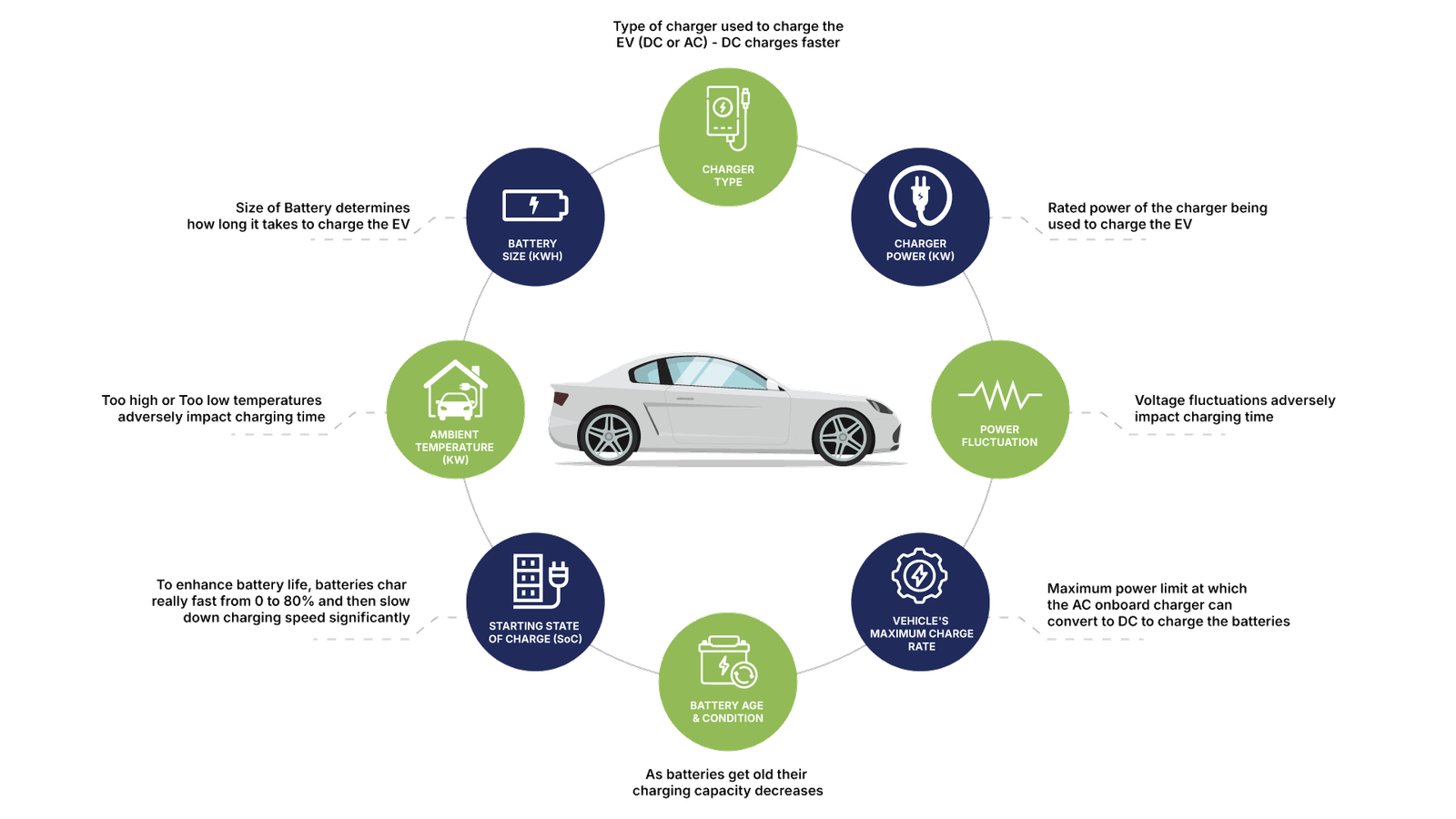
AC chargers convert power to DC inside the vehicle using its onboard charger, making them slower but more affordable, which is ideal for home and overnight charging. DC chargers convert power externally and feed DC directly to the battery, allowing much faster charging, which is why they are commonly used at public fast-charging stations.
How long does it take to fully charge an EV using a home charger?
Charging time depends on your EV’s battery size and the charger’s power output, but a typical home AC charger (3.3kW-7.4kW) takes about 4-8 hours for a full charge. Most owners simply plug in overnight and start each day with a full battery.
Can I install an EV charger at my home or office?
Yes, home and office EV charger installation is possible as long as you have adequate electrical capacity and a nearby parking space. We assess your existing electrical load, recommend the right charger, and handle the complete installation, including any necessary panel upgrades.
What is the difference between a Level 2 charger and a fast charger?
A Level 2 charger uses AC power (typically 3.3-22kW) and is suited for home or workplace charging over several hours. A fast (DC) charger delivers much higher power directly to the battery, charging an EV to 80% in as little as 30-60 minutes, making it ideal for highway and public charging stations.
Do I need a separate electrical connection for an EV charger?
In most residential cases, an EV charger can run off your existing electrical connection if it has sufficient spare capacity. Higher-power chargers or commercial installations may need a dedicated circuit or an upgraded connection, which we evaluate during our site survey.